
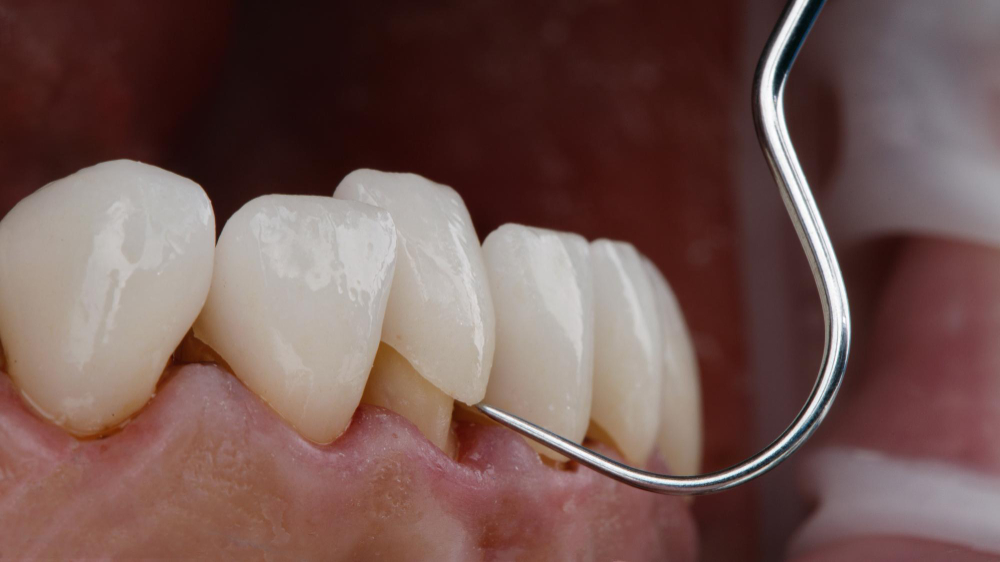
Dental veneers are thin covers placed on the front of teeth. They help improve the look of your smile. Many people choose dental veneers for cosmetic dentistry needs, such as fixing chipped, stained, or uneven teeth. In this blog, you will learn about dental veneers, their benefits, the dental veneer procedure, possible risks, and how to care for them. You will also find answers to common questions and tips on who is a good candidate for veneers.
What Are Dental Veneers?
Dental veneers are thin shells made from porcelain or composite resin. Dentists bond them to the front of your teeth. Usually, people get veneers to improve the color, shape, or size of their teeth. For example, veneers can cover stains that do not go away with whitening. They can also fix chipped or worn teeth. In addition, dental veneers are a popular choice for a smile makeover. Both porcelain veneers and composite veneers are used in cosmetic dentistry. Porcelain veneers last longer and resist stains better, while composite veneers are more affordable and can be placed faster.
Benefits of Dental Veneers
Dental veneers offer many advantages. For many, they provide a quick way to improve their smile. Here are some key benefits:
Moreover, dental veneers require less tooth removal than crowns. They are a less invasive option for many people.
The Dental Veneer Procedure
The dental veneer procedure usually takes two or three visits. Here is what you can expect:
After the dental veneer procedure, you can enjoy a new, brighter smile.
Risks and Potential Side Effects
Although dental veneers are safe, there are some risks. Knowing these can help you make an informed choice. Common risks include:
However, you can lower these risks by choosing an experienced dentist. Also, avoid biting hard foods and follow your dentist’s advice. According to the American Dental Association, most people have no serious problems with veneers.
Aftercare and Maintenance Tips
Proper care helps your dental veneers last longer. Here are some easy tips:
In addition, wear a mouthguard if you grind your teeth at night. Good oral hygiene keeps your veneers and natural teeth healthy.
Who Is a Good Candidate for Dental Veneers?
Not everyone is a good fit for dental veneers. You may be a good candidate if:
However, people with gum disease or weak teeth may need other treatments first. Always talk to your dentist to see if veneers are right for you.
Frequently Asked Questions About Dental Veneers
Conclusion
Dental veneers can transform your smile and boost your confidence. They offer many benefits, but it is important to understand the procedure, risks, and aftercare. If you are thinking about a smile makeover, consult a dentist at KK Dental for personalized advice on dental veneers.