
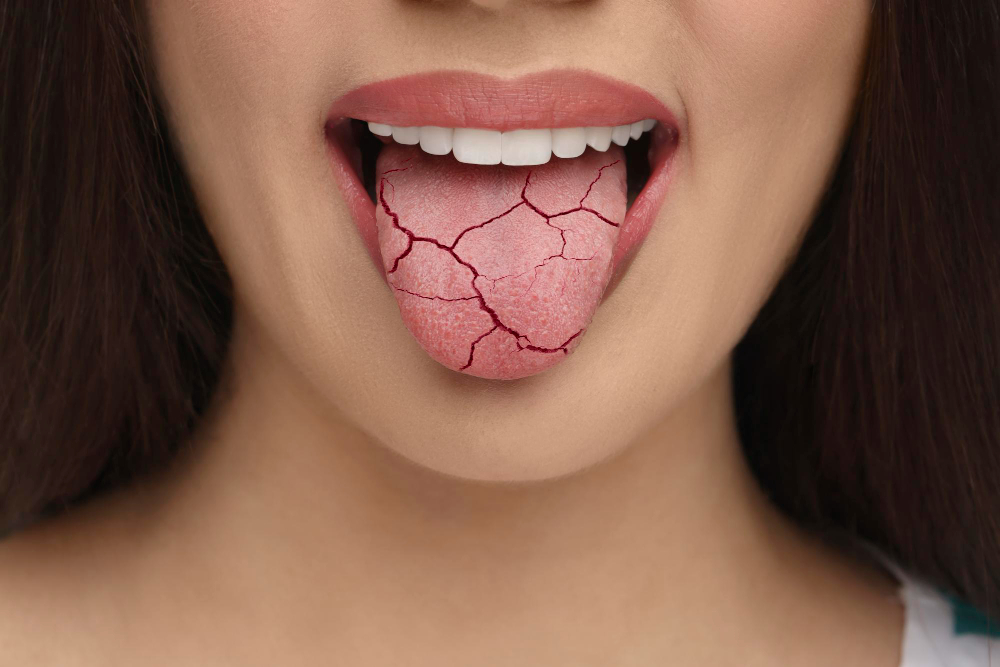
What is Dry Mouth (Xerostomia)?
Dry mouth, also called xerostomia, happens when your mouth does not make enough saliva. Saliva is important because it helps you chew, swallow, and speak. It also protects your teeth and gums. Without enough saliva, your mouth can feel sticky or dry. For many people, dry mouth is uncomfortable. However, it can also lead to other health problems if not treated.
Common Symptoms of Dry Mouth
Dry mouth symptoms can be mild or severe. Often, people notice these signs:
Sometimes, these symptoms get worse at night or in hot climates. If you notice several of these signs, you may have dry mouth.
Causes and Risk Factors
Many things can cause dry mouth. Some are temporary, while others are long-term. Here are common dry mouth causes:
Because many people take medicines or have health conditions, dry mouth is common. Still, knowing the cause can help you find the right treatment.
How Dry Mouth is Diagnosed
If you think you have dry mouth, your dentist or doctor can help. First, they will ask about your symptoms and health history. Next, they may check your mouth and teeth. Sometimes, they will measure how much saliva you make. In some cases, blood tests or scans are needed to find the cause. Early diagnosis helps prevent problems like tooth decay or gum disease.
Treatment Options and Home Remedies
Treating dry mouth depends on the cause. For example, if a medicine is causing it, your doctor may adjust your dose or switch drugs. However, there are many ways to relieve dry mouth:
For some people, prescription medicines can help increase saliva. Always talk to your doctor before starting any new treatment.
Tips for Preventing Dry Mouth
While you may not always prevent dry mouth, these tips can help reduce your risk:
Because prevention is easier than treatment, these habits can make a big difference.
When to See a Dentist or Doctor
Sometimes, dry mouth is a sign of a bigger health problem. You should see a dentist or doctor if:
Early care can prevent serious problems. Therefore, do not wait if you have ongoing symptoms.
If you experience persistent dry mouth, consult KK Dental for a comprehensive dental evaluation, personalized advice, and appropriate treatment options to manage dry mouth and support your overall oral health.